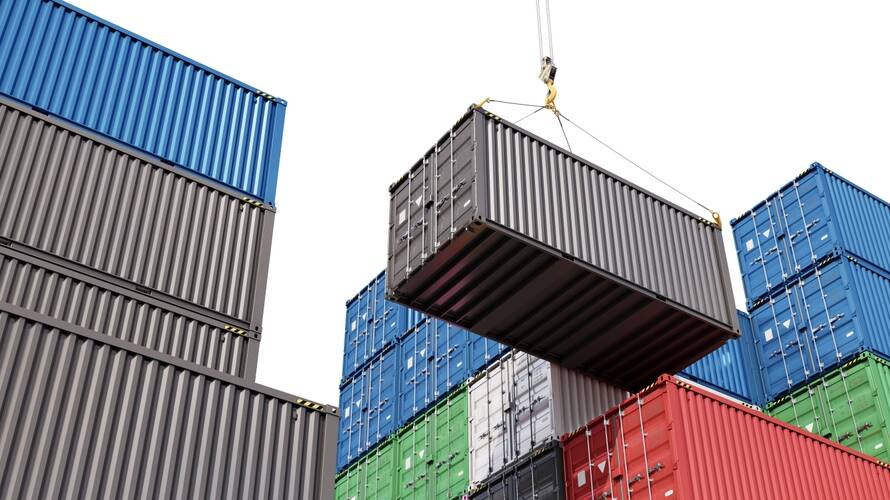

International shipping and domestic transportation markets are facing another period of significant disruption. Congestion at the Panama Canal, continued instability around the Strait of Hormuz and Red Sea, elevated container rates, and rising U.S. trucking costs are creating new challenges for importers and exporters.
Although U.S. import volumes are expected to decline later this year, transportation costs may not fall as quickly. Fuel prices, canal restrictions, insurance premiums, vessel diversions, and tightening truck capacity continue to support higher rates.
Here are some of the most consequential freight and logistics developments as of August 12, 2026.
Panama Canal Congestion Is Increasing Transit Costs
Conditions at the Panama Canal have deteriorated as low water levels associated with El Niño combine with rising vessel demand.
The Panama Canal Authority has imposed draft restrictions that can require larger vessels to carry less cargo. Meanwhile, instability along Middle Eastern shipping routes has redirected additional traffic toward the canal.
More than 100 vessels have reportedly been waiting to transit the canal. In one particularly striking example, a container ship reportedly paid approximately $4 million to bypass a queue estimated at around 10 days.
For shippers, the effects could include:
- Higher canal and congestion surcharges
- Reduced vessel loading capacity
- Longer and less predictable transit times
- Possible schedule changes or port omissions
- Increased costs on routes serving the U.S. East and Gulf coasts
Importers using all-water services from Asia to the East Coast should examine whether alternative routings such as shipping through a West Coast port and moving cargo inland by rail or truck might offer a better balance of cost and transit time.
Asia–U.S. East Coast Container Rates Reach a New High
Container rates from Asia to the U.S. East Coast have climbed to approximately $9,400 per forty-foot equivalent unit, or FEU.
This increase is especially significant because it is occurring at a point when the traditional peak shipping season might ordinarily be expected to begin slowing. Instead, a combination of high import volumes, vessel diversions, canal restrictions, fuel costs, and limited effective capacity is keeping upward pressure on rates.
Shippers should also be careful when comparing ocean freight quotations. A seemingly attractive base rate may not include every applicable charge, such as:
- Peak-season surcharges
- Canal surcharges
- Emergency-risk or war-risk fees
- Fuel adjustments
- Equipment repositioning charges
- Destination congestion fees
Before accepting a quotation, importers should request a clear breakdown of the included and excluded charges.
Middle East Instability Continues to Disrupt Shipping
Conditions surrounding the Strait of Hormuz and Red Sea remain highly uncertain.
Commercial traffic through the Strait of Hormuz has fallen dramatically from normal levels, while renewed Houthi threats are affecting vessels operating in the Red Sea and calling at Saudi ports. Some tanker operators have reportedly turned off ship-tracking systems to reduce their exposure to potential attacks.
The consequences extend well beyond oil and tanker shipping. Disruptions to energy flows can increase bunker fuel and diesel prices throughout the transportation system. War-risk insurance premiums may also increase, while carriers could suspend services, impose additional surcharges, or divert vessels around the Cape of Good Hope.
A Cape of Good Hope diversion can add approximately 10 to 14 days to a voyage and substantially increase vessel operating costs. Those expenses eventually make their way into the rates paid by shippers.
Businesses moving cargo through the Middle East, Red Sea, Suez Canal, or surrounding regions should build additional time into their supply-chain plans and remain prepared for rapid routing changes.
The Early U.S. Import Peak Is Beginning to Wind Down
U.S. container imports reached approximately 2.5 million TEUs in July, making it the fourth-highest July on record.
Much of this volume was driven by importers bringing merchandise into the country earlier than usual to get ahead of tariff changes, transportation surcharges, and geopolitical uncertainty. Imports are expected to remain comparatively high during August before declining through the remainder of 2026.
This does not necessarily mean that freight rates will decline at the same pace.
Many of the costs supporting current ocean rates, particularly fuel, canal charges, insurance, and longer vessel routings, are not directly connected to cargo demand. Importers may therefore encounter a market in which volumes soften but transportation expenses remain elevated.
The earlier arrival of inventory also creates challenges on land. Businesses may need more warehouse space, carry inventory for longer periods, and commit additional working capital before goods are sold.
U.S. Trucking Capacity Is Tightening
The domestic U.S. trucking market has changed considerably from the softer conditions experienced during previous years.
Recent DAT data showed dry-van spot linehaul rates averaging approximately $2.28 per mile, excluding fuel. While rates declined slightly from the previous week, they remained approximately 40.5% higher than one year earlier and well above their long-term seasonal average.
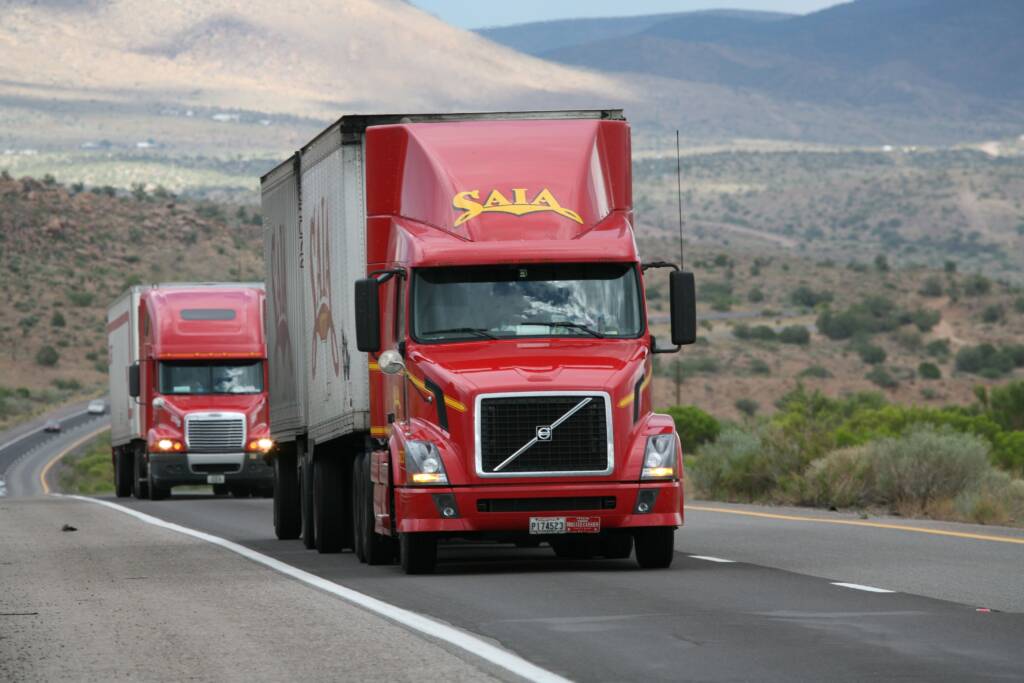
This suggests that negotiating leverage has shifted back toward motor carriers in many markets.
Shippers could experience:
- Higher spot-market rates
- Fewer trucks available for short-notice shipments
- More selective carrier acceptance
- Greater differences between strong and weak freight markets
- Higher charges for difficult lanes or extended wait times
Importers should arrange truck capacity before their containers arrive whenever possible. Waiting until a container has discharged can leave a shipper exposed to both higher truck rates and port storage or demurrage charges.
Rising Diesel Costs Add Another Layer of Pressure
Diesel is becoming one of the most important risks affecting domestic transportation costs.
The national average for on-highway diesel was approximately $5.26 per gallon for the week of August 10. Global diesel supplies remain constrained by refinery disruptions, restrictions on Russian exports, and instability in the Middle East.
Because fuel can represent approximately 20% to 25% of a trucking company’s operating costs, sudden diesel increases can quickly appear in shipper pricing through fuel surcharges.
Smaller carriers are particularly vulnerable because they may not have the cash reserves, fuel-purchasing programs, or contractual protections available to larger fleets. Continued fuel pressure could force some carriers to reduce capacity, avoid unprofitable lanes, or leave the market altogether.
What Shippers Should Do Now
The current freight environment rewards advance planning and flexibility. Importers and exporters should consider the following steps:
- Book international shipments earlier than usual.
- Allow additional transit time for cargo using the Panama Canal, Red Sea, or Middle Eastern routes.
- Compare East Coast all-water service with West Coast routing and inland transportation.
- Confirm that freight quotations identify all applicable surcharges.
- Secure domestic trucking before containers arrive at the destination port.
- Review warehouse capacity if inventory was imported earlier than usual.
- Maintain alternative routings for time-sensitive or high-value cargo.
- Monitor fuel surcharges and their effect on total landed cost.
The key takeaway is that a projected decline in import volumes does not guarantee immediate relief from elevated freight costs. Today’s transportation market is being driven by multiple pressures at the same time, including geopolitical instability, weather-related canal restrictions, higher insurance and fuel costs, vessel capacity constraints, and a tighter domestic trucking market.
Kepler Freight helps businesses evaluate routes, compare transportation options, and respond to changing conditions across international and domestic supply chains. If your company has an upcoming shipment or would like help reviewing its logistics strategy, contact our team to discuss the available options.