
If you’re shipping internationally, one of the first—and most important—decisions you’ll make is whether to move your cargo by ocean or air.
At a glance, it seems simple:
- Ocean = cheaper
- Air = faster
But in practice, the decision is rarely that straightforward.
The wrong choice can cost you thousands in unnecessary freight spend, missed deadlines, or inventory disruptions. The right choice can give you a real competitive advantage.
Here’s how to think about it in 2026.
Ocean Freight: The Cost-Efficient Workhorse
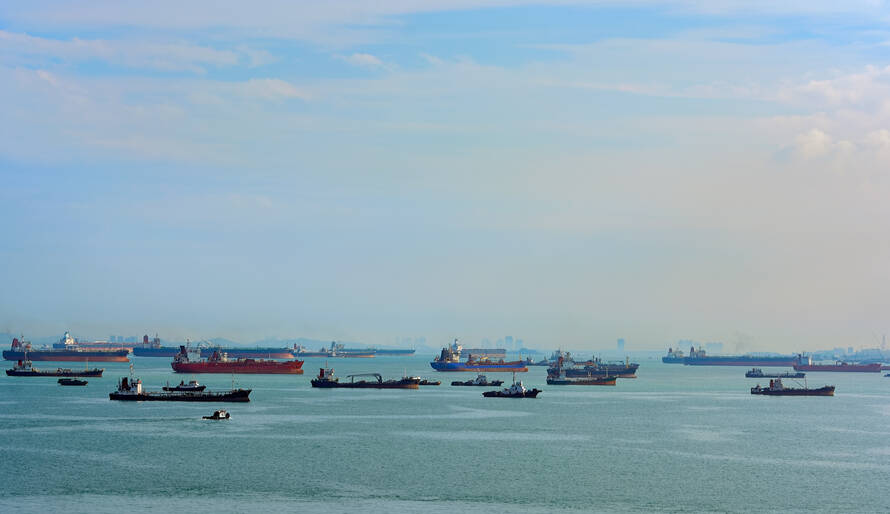
Ocean freight remains the backbone of global trade for a reason—it’s the most economical way to move large volumes over long distances.
When ocean freight makes the most sense:
- You’re shipping heavy or bulky cargo
- Your margins depend on keeping landed costs low
- You have predictable inventory planning
- Transit time is not urgent
Typical transit times:
- Asia → U.S.: 25–45 days
- Europe → U.S.: 15–30 days
Key advantages:
- Lowest cost per unit
- Ideal for full container loads (FCL)
- Scales well for growing businesses
Tradeoffs:
- Longer transit times
- Potential for port congestion delays
- Less flexibility once cargo is in transit
Air Freight: Speed and Precision
Air freight is built for speed—but the real value is control.
When timing matters, air isn’t just faster—it’s often the safer business decision.
When air freight makes sense:
- You’re shipping high-value or time-sensitive goods
- You need to avoid stockouts
- Your product has strong margins
- Delays would cost more than the freight premium
Typical transit times:
- Global: 3–7 days door-to-door
Key advantages:
- Fastest transit times
- More predictable scheduling
- Reduced risk of long delays
Tradeoffs:
Pricing volatility (especially during peak seasons)
Significantly higher cost
Weight and size limitations
The Real Cost Question (Most People Get This Wrong)
Many shippers compare only the freight rate.
That’s a mistake.
The real comparison is total landed cost + business impact.
For example:
- Ocean freight may save $4,000 on shipping…
- But cost $15,000 in lost sales due to stockouts
In that case, air freight is actually the cheaper option.
A better way to think about it:
Ask:
- What is the cost of being out of stock?
- How quickly do I turn inventory?
- Can I split shipments (some air, some ocean)?
Hybrid Strategy: The Smart Middle Ground
In 2026, more companies are using a blended approach:
- Ship bulk inventory via ocean
- Use air freight for:
- Initial launch stock
- Replenishment
- Urgent orders
This strategy balances cost efficiency with responsiveness—and it’s often the most effective solution for growing businesses.
Real-World Example
A client importing consumer goods from Asia needed to restock quickly ahead of a seasonal push.
- Full ocean shipment: ~30 days → too slow
- Full air shipment: too expensive
Solution:
- 80% shipped via ocean
- 20% shipped via air
Result:
- Shelves stayed stocked
- Marketing campaign stayed on schedule
- Overall freight cost stayed controlled
So… Which Should You Choose?
There’s no one-size-fits-all answer.
But here’s a simple framework:
- Choose ocean freight when cost matters more than speed
- Choose air freight when speed protects your revenue
Use both when you want to optimize your supply chain
Final Thought
Freight decisions aren’t just about moving cargo—they’re about supporting your business goals.
The right logistics strategy reduces risk, improves cash flow, and keeps your customers happy.
If you’re not sure which direction makes sense for your next shipment, it’s worth having that conversation upfront.
At Kepler Freight, we handle ocean, air, customs clearance, warehousing, and North American trucking—so we can design the right solution from end to end.
If you’re planning a shipment, reach out and we’ll walk you through the most efficient option.