
Introduction
Ocean shipping moves the overwhelming majority of manufactured goods around the world. Without it, modern global trade simply wouldn’t exist.
For businesses that rely on importing and exporting, understanding how this system evolved—and where it’s going—can provide valuable context for making smarter logistics decisions.
The Origins of International Shipping and Logistics
International shipping dates back as far as the 3rd century BCE, when merchants discovered that transporting goods by sea was significantly more efficient than moving them over land.
In those early days, cargo was loaded manually in sacks, barrels, and wooden crates. Dock workers would pack goods tightly onto ship decks or into cramped cargo holds below.
The process was slow, labor-intensive, and inefficient. Ships often spent more time sitting in port being loaded and unloaded than actually sailing. For centuries, this remained largely unchanged.
The Container Revolution
Everything changed in the 1950s with the introduction of the standardized shipping container.
In 1956, American entrepreneur Malcolm McLean loaded 58 metal containers onto a ship traveling from New Jersey to Houston. It was a simple idea—but a revolutionary one.
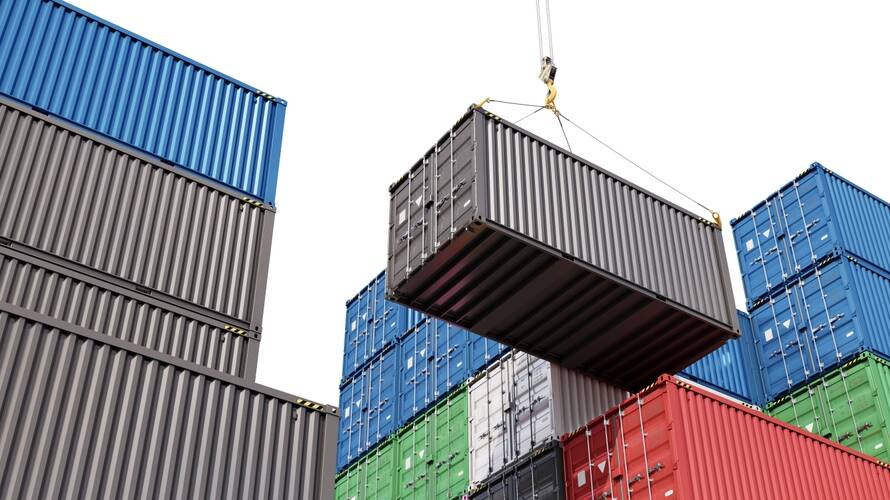
Instead of handling cargo piece by piece, entire containers could now be moved seamlessly between ships, trucks, and trains without repackaging.
This innovation:
- Protected goods from damage and theft
- Dramatically reduced loading times
- Lowered labor costs
- Increased overall efficiency across the supply chain
By 1966, the first transatlantic container service was launched. Just two years later, modern container ships began entering service, carrying hundreds of standardized 20-foot containers—a format still widely used today.
Standardization changed everything. Transportation costs dropped by as much as 75%, making global trade faster, cheaper, and far more scalable.
The Rise of Global Shipping Giants
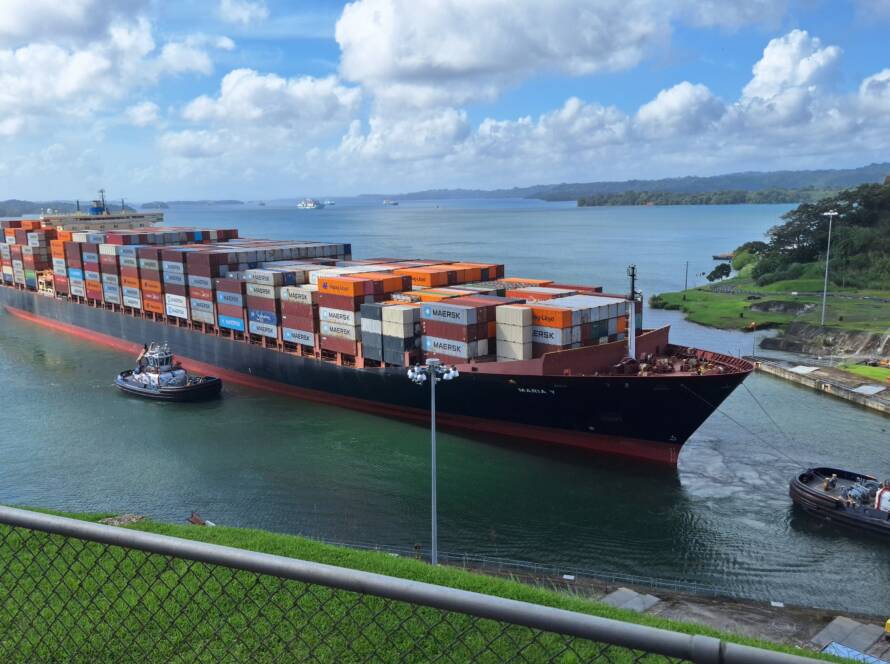
As containerization took hold, it paved the way for the rise of massive global shipping companies such as Maersk, CMA CGM, and COSCO.
By the early 1980s, approximately 90% of manufactured goods were being transported via ocean containers. This shift enabled true globalization—allowing products to be manufactured in one part of the world and efficiently distributed across continents.
Major infrastructure developments, including the expansion of the Panama Canal and the Suez Canal, further accelerated this growth by accommodating larger vessels and increasing global shipping capacity.
Modern Ocean Shipping: Scale and Efficiency
Today’s container ships are engineering marvels.
Some vessels are as long as the Empire State Building is tall and can carry more than 20,000 containers in a single voyage.
Advancements in refrigerated (reefer) containers now allow for the global transport of perishable goods such as:
- Fresh produce
- Meat and seafood
- Flowers
Products that once required air freight can now move more cost-effectively by sea.
The Future of Shipping and Logistics
Looking ahead, the industry is exploring automation at multiple levels, including:
- Autonomous ships
- Battery-powered vessels
- Driverless trucking
However, fully automated logistics remains a complex challenge. True automation would require seamless coordination across an enormous network of ports, terminals, warehouses, and transportation providers.
While progress has been gradual, technological advancement in logistics—like in most industries—tends to be exponential rather than linear.
Why This Matters for Your Business
Understanding how ocean shipping evolved isn’t just interesting—it’s practical.
Today’s global logistics system is built on efficiency, standardization, and scale. But it’s still complex, and small inefficiencies can lead to:
- Delays
- Unexpected costs
- Missed delivery windows
At Kepler Freight Inc, we help businesses navigate that complexity—making international shipping more predictable, efficient, and cost-effective.
Whether you’re importing for the first time or managing ongoing global shipments, having the right logistics partner can make a measurable difference.