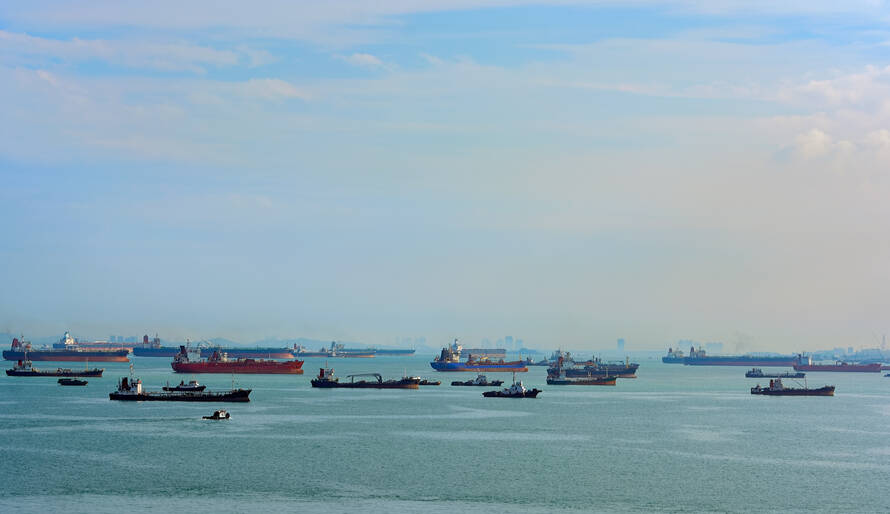

Recent diplomatic developments have raised hopes that tensions in the Strait of Hormuz may begin to ease, but for the global shipping industry, uncertainty remains.
Although news of a U.S.-Iran agreement has been welcomed by financial markets, many shipping companies are taking a cautious approach and are waiting for confirmation that the region is safe before returning to normal operations.
For importers and exporters, this serves as an important reminder of how quickly geopolitical events can affect global logistics.
Why the Strait of Hormuz Matters
The Strait of Hormuz is one of the world’s most strategically important waterways, connecting the Persian Gulf with the Gulf of Oman and the Arabian Sea. A significant percentage of the world’s oil and liquefied natural gas exports pass through this narrow corridor every day.
Any disruption in the region can have ripple effects far beyond the Middle East, influencing fuel prices, shipping costs, insurance premiums, and supply chain reliability around the world.
What We’re Seeing This Week
While there is optimism surrounding the recent diplomatic agreement, many carriers continue to monitor the situation carefully before making operational changes.
Current market conditions include:
- Continued uncertainty surrounding vessel movements in the region
- Elevated insurance and operational costs
- Pressure on ocean freight rates
- Volatility in fuel prices
- Potential delays as carriers adjust schedules and routing decisions
Some industries are already reporting concerns about longer lead times and component availability, particularly in electronics and manufacturing sectors that depend on highly integrated global supply chains.
What This Means for Importers
For most businesses, there is no reason to panic, but there is every reason to plan ahead.
Companies with time-sensitive shipments should:
- Book shipments as early as practical
- Build additional flexibility into delivery schedules
- Stay informed about carrier updates
- Work closely with their freight forwarding partners to evaluate routing options if conditions change
Global logistics is remarkably resilient, but it performs best when businesses plan proactively rather than react to disruptions after they occur.
How Kepler Freight Can Help
At Kepler Freight, we closely monitor developments that may impact our customers’ supply chains and work with our carrier partners to identify practical solutions when market conditions change.
Whether you’re importing manufacturing components, retail products, or specialized cargo, our goal is to help you navigate uncertainty with clear communication, proactive planning, and personalized service.
If you have upcoming international shipments and would like to discuss potential impacts or contingency planning, we’d be happy to help.
Questions about your next shipment? Contact Kepler Freight today to discuss your logistics needs and explore the best options for your business.